
Your Garage Door Shouldn't Sound Like That
You press the button, and instead of a smooth, quiet ride up the track, your garage door groans, squeals, or rattles loud enough to wake the neighbors. If you're a homeowner in Gettysburg, you've probably gotten so used to the noise that you barely notice it anymore. But here's the thing — a noisy garage door is almost always trying to tell you something, and ignoring it usually leads to a bigger, more expensive repair down the road.
Let's break down the most common garage door noises, what they mean, and what you should do about each one.
Grinding or Scraping Sounds
A grinding or scraping noise is one of the more alarming sounds your garage door can make, and for good reason. This typically points to one of two problems:
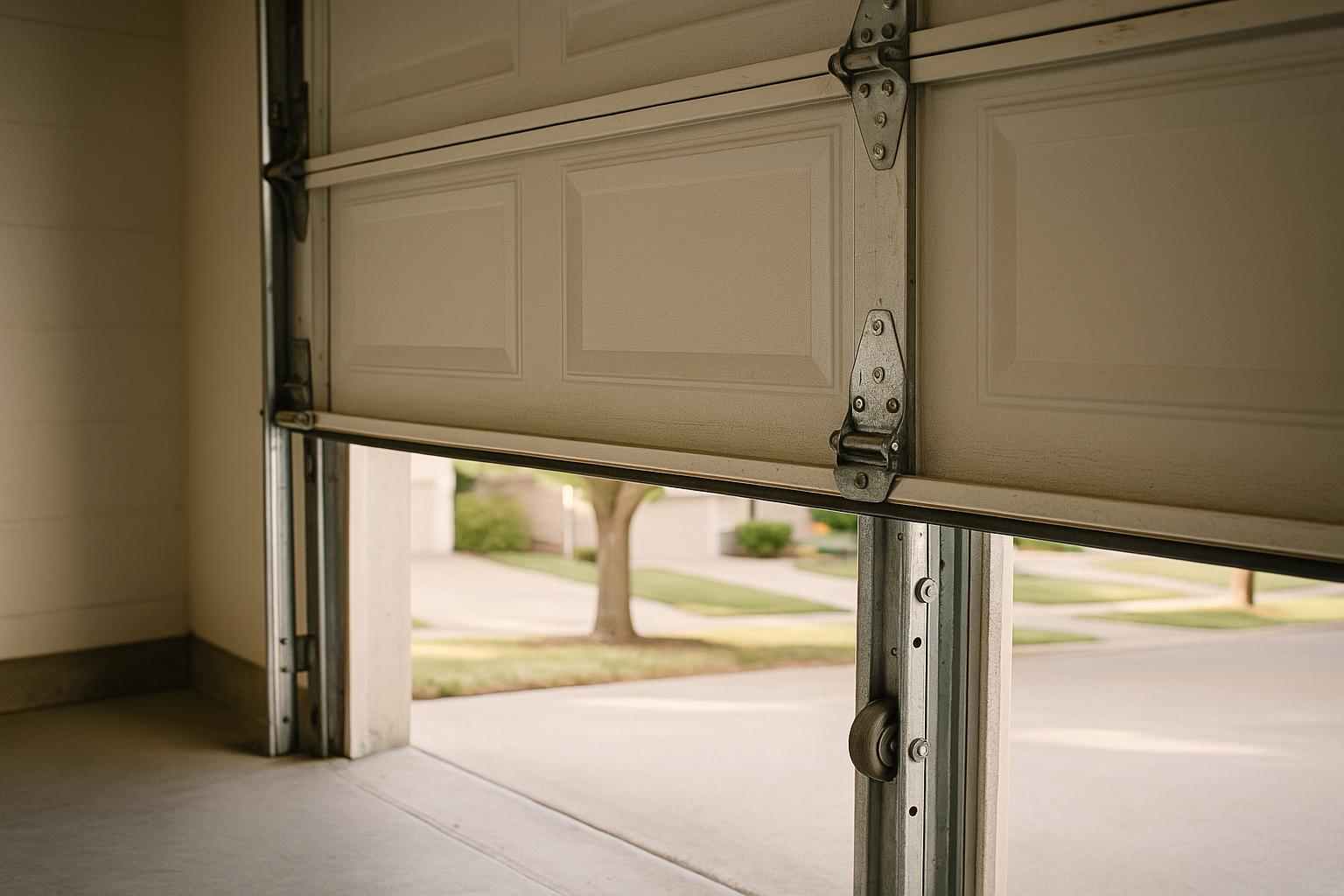
- Worn-out rollers: Garage door rollers are small wheels that guide the door along the tracks. Over time, especially with steel rollers, they wear down, lose their shape, or develop flat spots. When that happens, the door drags and grinds against the track instead of rolling smoothly.
- Misaligned tracks: If the vertical or horizontal tracks have shifted even slightly, the door can scrape against the metal as it moves. This puts stress on the entire system and can eventually cause the door to get stuck or come off the track entirely.
If you hear grinding, it's worth having a technician inspect the rollers and track alignment. Replacing worn rollers — especially upgrading to nylon rollers — is one of the most affordable fixes that makes a dramatic difference in noise level.
Squealing or Squeaking
A high-pitched squeal every time your door opens or closes is usually a lubrication problem. Your garage door has dozens of moving metal parts — hinges, rollers, springs, and bearings — and when they run dry, metal rubs against metal.
This is one of the easiest problems to address. A proper garage door lubricant (not WD-40, which is a solvent, not a lubricant) applied to the hinges, rollers, springs, and bearing plates can quiet things down almost immediately. We recommend lubricating these parts every six months, especially here in Gettysburg where seasonal temperature swings can accelerate wear.
However, if lubrication doesn't solve the squeal, the noise could indicate a deeper issue like a failing bearing in the opener or a torsion spring that's beginning to bind. In that case, it's time for a professional inspection.
Rattling and Vibrating
A rattling garage door often sounds worse than it is — but that doesn't mean you should ignore it. Common causes include:
- Loose hardware: The nuts, bolts, and screws that hold your garage door system together loosen over time from the constant vibration of daily use. A simple tightening of the hardware can eliminate the rattle.
- A loose chain on the opener: If you have a chain-drive garage door opener, the chain can develop slack over time. A loose chain slaps against the rail and creates a distinctive rattling vibration.
- Unsecured panels or weatherstripping: Older doors, especially those that have taken a hit from wind or impact, may have panels that no longer sit flush or weatherstripping that's come loose.
Grab a socket wrench and tighten any hardware you can safely reach. If the rattle persists, or if you suspect it's coming from the opener mechanism or the springs, call a professional rather than risking injury.
Banging or Popping Sounds
A loud bang or pop when your garage door operates is the noise that should get your attention fastest. This can indicate:
- Torsion spring issues: A popping sound can mean a spring is struggling under tension or that a coil has shifted. If a spring actually breaks, you'll hear a sound like a gunshot — and the door will likely become inoperable. Spring repair and replacement should always be handled by a trained technician because of the extreme tension involved.
- Snapping cables: The lift cables work alongside the springs to raise and lower the door. A fraying or snapping cable can produce a sharp bang and leave the door hanging unevenly.
- Panel stress: If a panel is cracked or warped, it may pop or bang as it flexes through the curve of the track. Panel replacement can resolve this and prevent further damage to adjacent panels.
If you hear a sudden loud bang from your garage, don't try to operate the door. Inspect it visually from a safe distance and call for service.
Humming but Not Moving
If your garage door opener hums or buzzes when you press the button but the door doesn't move, the motor is engaging but something is preventing it from doing its job. This could be:
- A stripped gear inside the opener: Opener gears wear out over time, especially in older units. The motor runs, but the gear can't transfer power to the drive mechanism.
- A broken spring: Without functioning springs to counterbalance the weight, the opener motor simply can't lift the door on its own. It will hum and strain, which can burn out the motor if you keep trying.
- A locked or obstructed door: Sometimes the simplest explanation is the right one — check that the manual lock isn't engaged and that nothing is blocking the tracks.
Continuing to press the button when the motor is straining but the door won't move can cause permanent damage to the opener. Stop, diagnose, and get help if needed.
When to DIY and When to Call a Pro
Some noise fixes are perfectly safe for homeowners to handle on their own:
- Lubricate moving parts with a garage door-specific lubricant every six months.
- Tighten loose bolts and screws on the brackets, hinges, and track supports.
- Inspect the tracks for visible debris, dents, or misalignment.
But there are clear lines you shouldn't cross without professional training:
- Never attempt to adjust or replace torsion springs. These are under extreme tension and can cause serious injury.
- Don't try to realign tracks yourself if they've shifted significantly — improper adjustment can cause the door to fall.
- Leave opener motor and gear repairs to a technician who can diagnose the root cause and ensure the fix is safe and lasting.
A Quiet Garage Door Is a Healthy Garage Door
Most of the homeowners we visit across Gettysburg, Hanover, Littlestown, and the surrounding communities tell us the same thing: they got used to the noise and assumed it was normal. It's not. A well-maintained garage door should operate smoothly and relatively quietly. When it starts making new or louder sounds, that's your cue to investigate.
Regular maintenance and tune-ups go a long way toward keeping your garage door quiet and extending the life of every component. At Gettysburg Garage Door Service, we inspect the full system — springs, rollers, tracks, cables, opener, and hardware — so small problems get caught before they turn into emergency repairs.
If your garage door has been making noises you can't explain, don't wait for something to break. Give us a call and we'll figure out what your door is trying to tell you.