
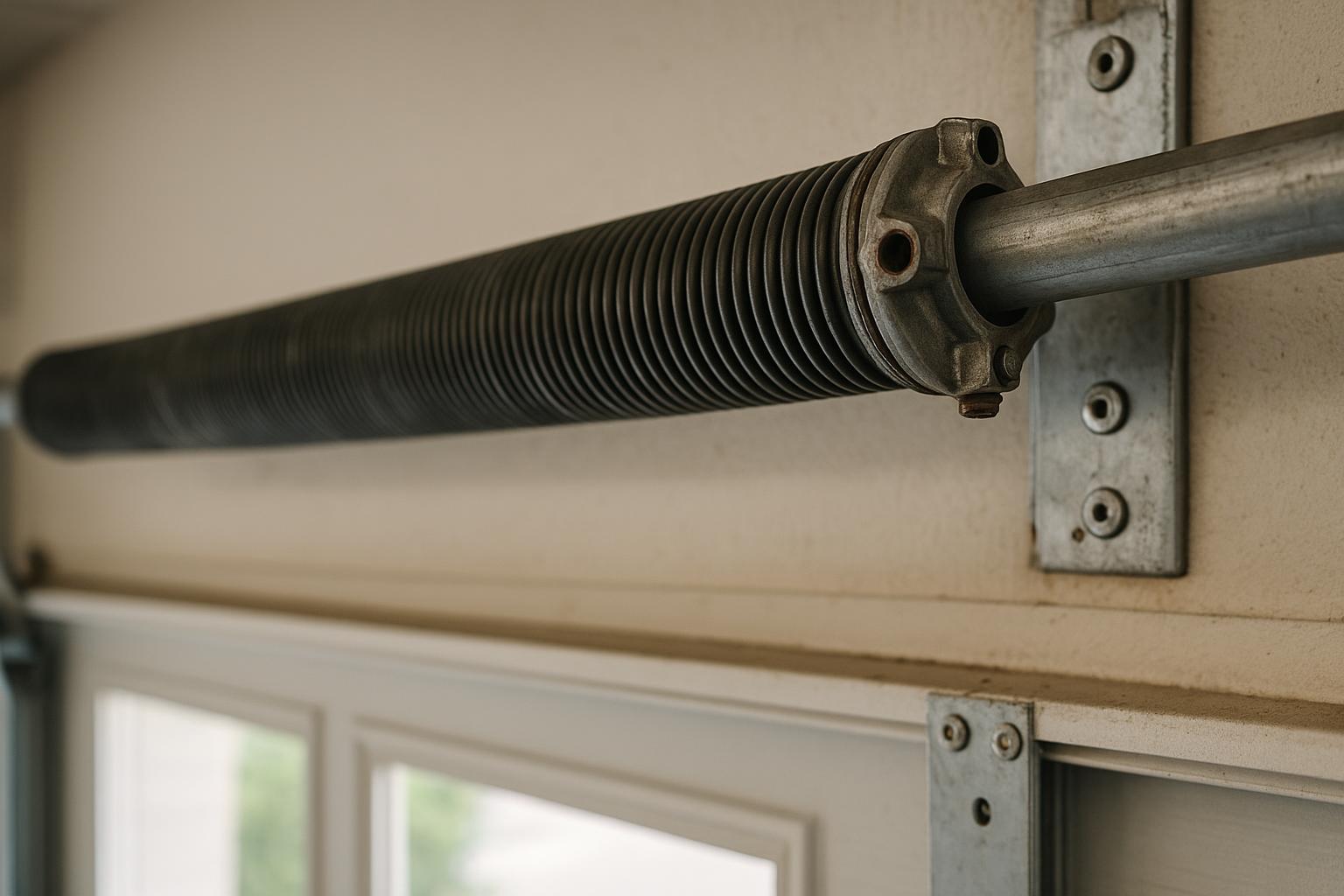
Your Garage Door Springs Are Working Harder Than You Think
Every time you open or close your garage door, the springs do the heavy lifting — literally. A standard garage door can weigh anywhere from 130 to 250 pounds or more, and the springs are responsible for counterbalancing all of that weight. Without them, your garage door opener couldn't move the door on its own, and lifting it manually would be nearly impossible.
Most homeowners in Gettysburg don't think about their garage door springs until something goes wrong. But springs are wear-and-tear components with a limited lifespan, and recognizing the warning signs early can help you avoid a sudden failure that leaves your car trapped inside — or worse, creates a safety hazard for your family.
How Long Do Garage Door Springs Last?
Garage door springs are rated by cycle life. One cycle equals one full open-and-close of the door. Standard torsion springs are typically rated for around 10,000 cycles, which translates to roughly 7 to 10 years for the average household that opens and closes the door 3 to 4 times a day.
High-cycle springs, rated for 25,000 or even 50,000 cycles, are available and can last significantly longer. If you're replacing springs and want to avoid dealing with the issue again anytime soon, upgrading to high-cycle springs is worth considering.
Several factors can shorten spring life, including:
- Extreme temperature swings — Gettysburg's cold winters and warm summers cause metal to expand and contract repeatedly, which accelerates fatigue.
- Lack of maintenance — Springs that aren't lubricated regularly develop more friction and wear out faster.
- Rust and corrosion — Moisture in your garage can cause springs to corrode, weakening the metal over time.
- Heavy doors — Heavier wood or insulated doors put more stress on springs with every cycle.
Warning Signs Your Springs Are Wearing Out
Springs rarely fail without giving you some advance notice. Here are the most common signs that your garage door springs are nearing the end of their life.
1. The Door Feels Heavier Than Usual
If you disconnect the opener and try to lift the door manually, it should move smoothly and feel relatively light. A door that feels heavy or difficult to lift is a sign that the springs have lost tension and are no longer counterbalancing the door's weight properly.
2. The Door Opens Unevenly or Crooked
If one spring is weaker than the other — or if one has already broken — the door may rise unevenly, with one side higher than the other. This puts extra strain on the opener, the tracks, and the remaining spring, and it can lead to further damage if not addressed quickly.
3. You Hear a Loud Bang from the Garage
A spring that has already snapped often announces itself with a loud bang that sounds like a gunshot or a firecracker going off in the garage. If you hear this sound and find your door won't open, a broken spring is almost certainly the cause.
4. There's a Visible Gap in the Spring
Torsion springs are mounted on a metal shaft above the door. When a torsion spring breaks, you'll usually see a visible gap of a few inches where the coils have separated. This is the clearest visual confirmation that a spring has failed.
5. The Opener Struggles or Stops Working
Your garage door opener is designed to work with properly functioning springs. When springs weaken or break, the opener has to work much harder to move the door. You might notice the motor straining, the door moving slower than usual, or the opener stopping partway through the cycle. Running the opener with bad springs can burn out the motor prematurely.
6. The Door Slams Shut Quickly
Springs control the speed at which your door closes. If the door drops faster than normal or slams shut, the springs may not be providing enough resistance. This is a serious safety concern, especially if you have children or pets around the garage.
7. Visible Rust or Stretch Marks on the Springs
Take a look at your springs from time to time. If you notice rust, corrosion, or areas where the coils appear stretched or distorted, the springs are deteriorating and should be inspected by a professional.
Why You Shouldn't Replace Garage Door Springs Yourself
We understand the DIY spirit — plenty of homeowners around Gettysburg and the surrounding communities like Biglerville, New Oxford, and Hanover are handy and capable. But garage door spring replacement is one job we strongly recommend leaving to a trained technician.
Here's why:
- Extreme tension — Torsion springs are wound under tremendous force. A spring that releases unexpectedly can cause serious injury or even death.
- Specialized tools required — Proper spring replacement requires winding bars, clamps, and other tools that most homeowners don't have.
- Incorrect sizing — Springs must be precisely matched to the weight and size of your specific door. The wrong spring can cause the door to malfunction or create a new safety hazard.
- Warranty concerns — Improper installation can void warranties on both the springs and the opener.
A professional can typically complete a spring replacement in about an hour, and the peace of mind that comes with knowing it's done safely and correctly is well worth it.
What to Do If You Suspect a Spring Problem
If you notice any of the warning signs listed above, here's what we recommend:
- Stop using the door. Continuing to operate a garage door with failing springs can cause additional damage to the opener, cables, and tracks.
- Do not attempt to open the door manually if a spring has broken. The door's full weight will be unsupported, and it could drop suddenly.
- Call a professional for an inspection. A trained technician can assess the condition of your springs, determine whether repair or replacement is needed, and get your door working safely again.
Extend the Life of Your Springs with Regular Maintenance
You can get more years out of your garage door springs with a little routine care:
- Lubricate the springs every few months with a silicone-based garage door lubricant. This reduces friction and helps prevent rust.
- Schedule an annual tune-up. A professional maintenance visit includes checking spring tension, inspecting cables and hardware, and making adjustments to keep everything balanced.
- Keep your garage dry. If your garage tends to accumulate moisture, consider improving ventilation or using a dehumidifier to protect metal components from corrosion.
At Gettysburg Garage Door Service, we include a thorough spring inspection as part of every maintenance and tune-up visit. Catching a weakening spring before it breaks saves you from the inconvenience of a door that won't open and the higher cost of emergency repairs.
Don't Wait for the Bang
Garage door springs are one of those things that are easy to ignore until they fail. But a little attention now can prevent a much bigger headache later. If your door is showing any of the signs we've described — or if it's been more than seven years since your springs were last replaced — it's worth having them checked.
We serve homeowners throughout Gettysburg, Littlestown, Fairfield, and the surrounding areas with honest assessments and reliable spring replacement. Give us a call, and we'll make sure your garage door is safe, balanced, and working the way it should.