
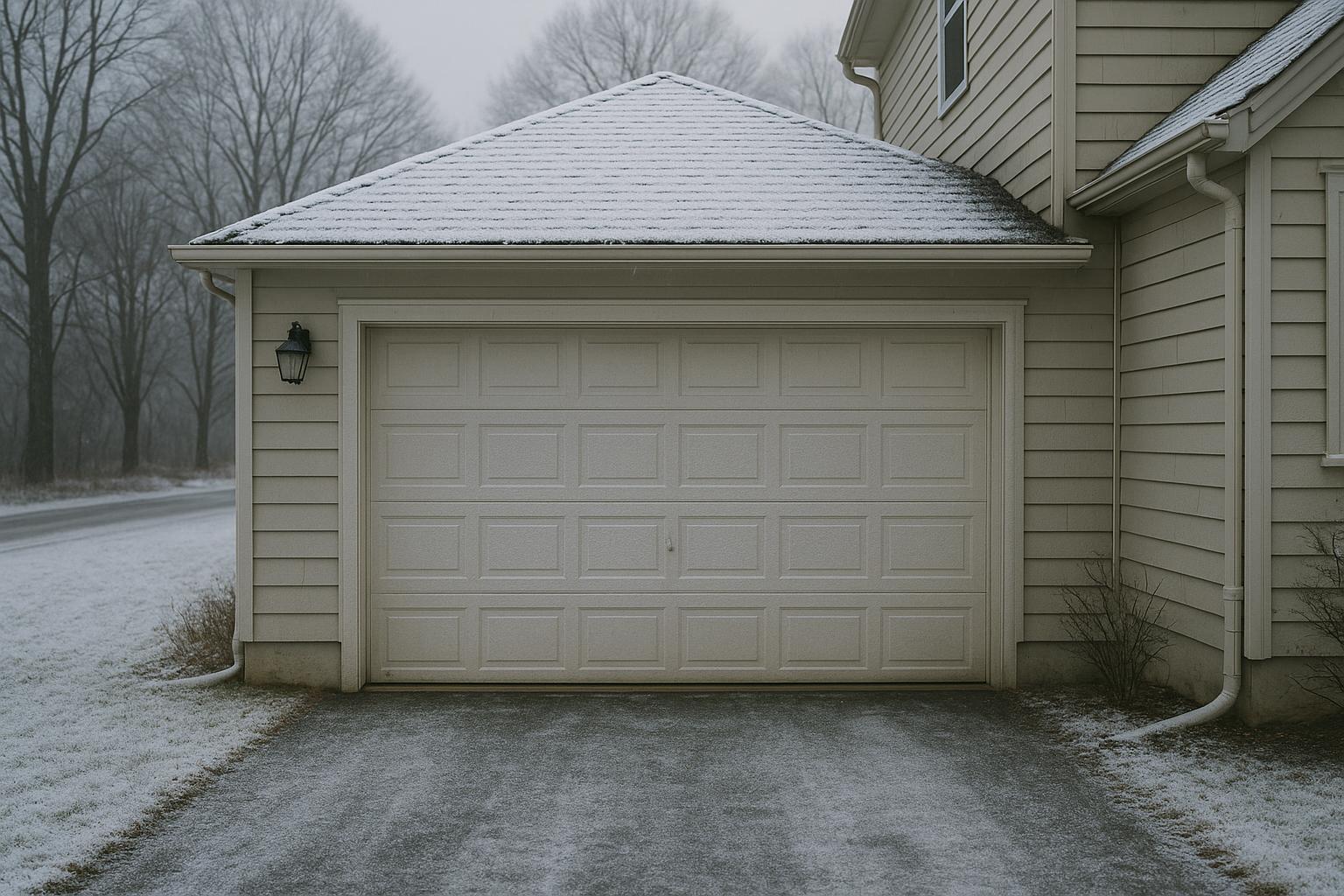
Winter Takes a Toll on Your Garage Door
If you've lived in Gettysburg for more than one winter, you know how bitter the cold can get. Temperatures regularly dip below freezing from December through February, and those frigid conditions don't just make your morning commute miserable — they can wreak havoc on your garage door system.
We get more calls during the winter months than any other time of year. Doors that won't open, springs that snap without warning, openers that strain and grind — cold weather is behind most of these problems. The good news is that many winter garage door issues are preventable if you know what to look for.
Here's a breakdown of how freezing temperatures affect your garage door and what you can do to keep everything working through the coldest months in Adams County.
Metal Contracts in the Cold — And That Changes Everything
Most garage door components are made of metal: the springs, tracks, rollers, hinges, and hardware. When temperatures drop, metal contracts. That contraction might be tiny — fractions of an inch — but in a system with dozens of moving parts that depend on precise alignment, even small changes add up fast.
Here's what that means in practice:
- Springs lose tension. Torsion and extension springs are calibrated to hold a specific amount of force. When they contract in the cold, they lose some of that stored energy, making the door feel heavier and harder for the opener to lift.
- Tracks can shift slightly. Metal tracks may contract unevenly, causing the door to bind, stick, or move unevenly as it travels up and down.
- Rollers and hinges stiffen. Metal-on-metal contact becomes less forgiving in cold weather, especially if lubrication has dried out or thickened.
If your garage door seems sluggish on cold mornings but works fine by the afternoon, thermal contraction is almost certainly the reason.
Garage Door Springs Are Most Vulnerable in Winter
Spring breakage is the single most common repair we handle during Gettysburg winters. Cold steel is more brittle than warm steel — that's basic metallurgy. A spring that's been slowly wearing out over thousands of cycles is far more likely to snap when temperatures plunge overnight.
There's usually no warning. You press the button one morning and hear a loud bang from the garage. That's the sound of a torsion spring breaking, and it means your door isn't going anywhere until it's replaced.
What You Can Do
You can't prevent a worn spring from eventually failing, but you can reduce the risk:
- Have your springs inspected before winter. A technician can spot signs of fatigue — rust, gaps between coils, or visible stretching — before a break happens.
- Keep the garage insulated if possible. Even a few degrees warmer can reduce stress on the springs.
- Don't ignore a door that feels heavy or moves slowly. That's a sign the springs are struggling and may be close to failure.
Your Opener Works Harder When It's Freezing
Garage door openers are designed to lift a specific amount of weight. When cold weather makes the door heavier — due to spring contraction, stiff rollers, or thickened lubricant — the opener has to work harder than it was built to.
Over time, this extra strain can burn out the motor, strip the gears, or cause the opener to overheat and shut down. You might notice the door opening more slowly than usual, the motor running longer, or the opener struggling partway through the cycle.
What You Can Do
- Listen for unusual sounds from the opener — grinding, humming, or clicking that wasn't there before.
- If the door stops partway up, don't just keep pressing the button. Repeated attempts can damage the motor.
- Make sure the rest of the system is in good shape so the opener isn't compensating for other problems.
Weatherstripping Cracks and Fails
The rubber weatherstripping along the bottom and sides of your garage door is your first line of defense against cold air, moisture, and pests. But rubber hardens and cracks in freezing temperatures, especially as it ages.
Damaged weatherstripping lets cold air pour into your garage, which affects everything stored inside — and drives up your heating bill if the garage is attached to your home. In Gettysburg's older homes, where many garages are connected to the main living space, a failed seal can make a noticeable difference in comfort and energy costs.
What You Can Do
- Inspect the bottom seal and side seals before winter arrives. Look for cracks, gaps, or sections that have pulled away from the door.
- Replace worn weatherstripping promptly. It's one of the least expensive garage door repairs and one of the most impactful.
The Door Can Freeze to the Ground
This is one of the most common winter complaints we hear from homeowners across Gettysburg, Fairfield, and Littlestown. After a night of freezing rain or melting-and-refreezing snow, the bottom of the garage door can literally freeze to the concrete floor.
When you hit the opener button, the motor tries to lift the door but can't break the ice seal. If the opener keeps pulling, it can damage the bottom panel, tear the weatherstripping, or strip the opener's gears.
What You Can Do
- Never force the door open. If it won't budge, don't keep pressing the button.
- Use a heat gun or pour warm (not boiling) water along the bottom seal to melt the ice.
- Once the door is free, clear away any standing water or snow from the threshold to prevent it from happening again.
- Applying a thin coat of silicone spray to the bottom seal can help prevent ice from bonding to the rubber.
Lubricant Thickens and Stops Working
The lubricant on your springs, rollers, hinges, and tracks can thicken or even solidify in extreme cold. When that happens, every moving part in the system faces more friction, more resistance, and more wear.
Standard grease is especially prone to this. That's why we recommend using a silicone-based or lithium-based garage door lubricant that's rated for cold temperatures. A quick application to all moving parts before winter can prevent a lot of problems.
A Fall Tune-Up Prevents Most Winter Emergencies
The best thing you can do for your garage door before winter hits Gettysburg is schedule a maintenance tune-up in the fall. During a tune-up, we inspect every component, tighten hardware, lubricate moving parts, test the balance and alignment, and check the springs for signs of wear.
Most of the emergency calls we get in January and February could have been prevented with a simple inspection in October or November. It's a small investment that saves you from being stuck in your driveway on the coldest morning of the year.
Don't Wait for a Breakdown
If your garage door is already showing signs of winter trouble — moving slowly, making new noises, or struggling to open — don't wait for it to fail completely. Gettysburg Garage Door Service is here to help homeowners and businesses across Gettysburg, Hanover, New Oxford, Biglerville, and the surrounding areas stay ahead of cold-weather problems.
Give us a call and we'll get your garage door ready for whatever this winter throws at it. We show up on time, explain what's going on in plain English, and fix it right the first time.